
CEO Insights: Learnings from the Land of the Free
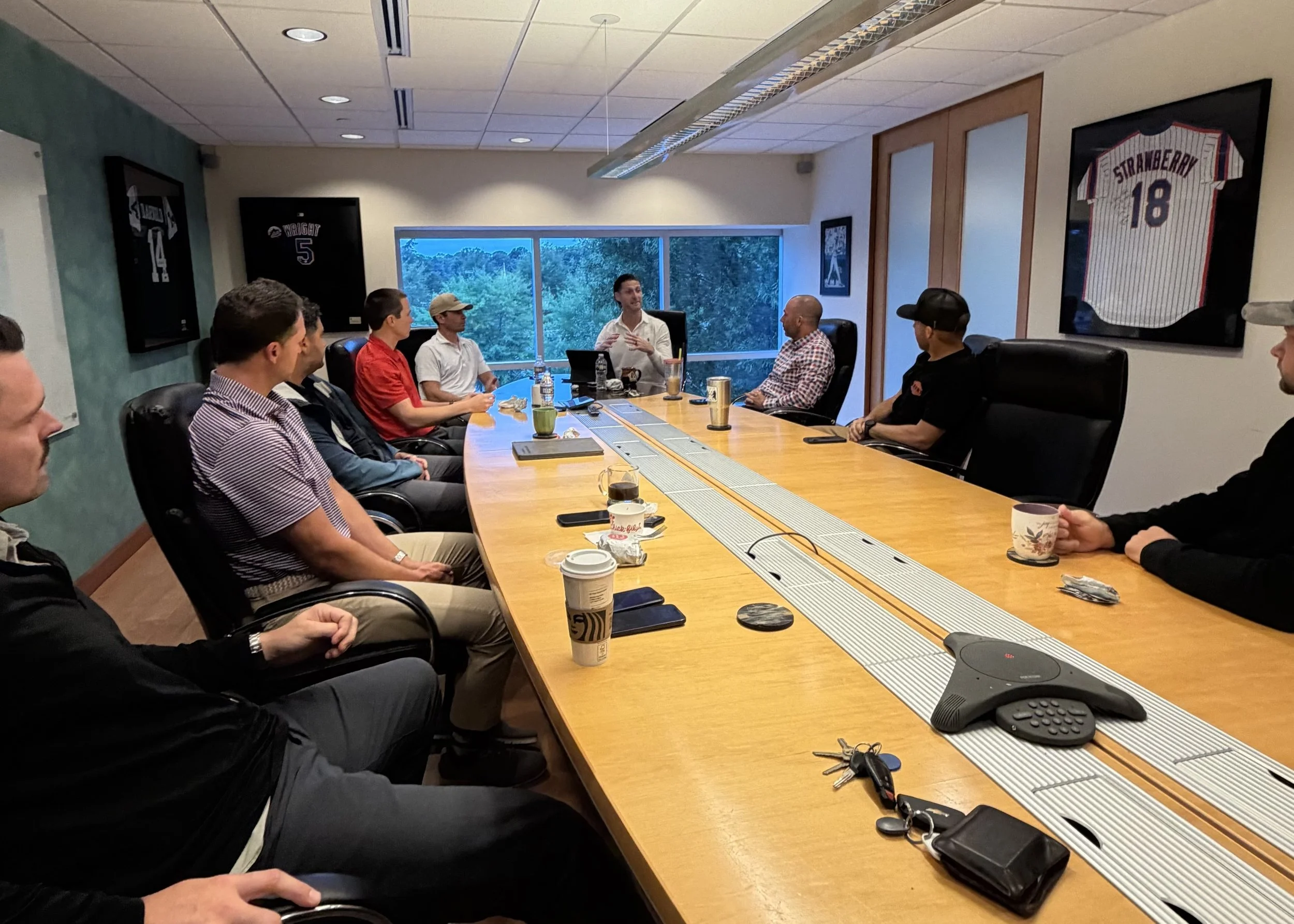
Seven Word Summary: Relationships, communication and connection driving global opportunity.
There are trips that fill your calendar, and then there are trips that fill you with a fresh perspective.
My recent journey was firmly the latter – traveling across the Land of the Free, Home of the Brave: the United States of America.
Spanning five states and countless conversations, the trip was focused on unlocking new opportunities, strengthening partnerships, growing collaboration with influential organisations, and gaining a deeper understanding of one of Australia's most important international relationships.
The numbers tell part of the story:
5 States
38,900km travelled by air
360km travelled by road
45km covered on foot (tip: running is a valuable strategy tool!)
But as is often the case, the most valuable outcomes weren't measured in numbers. They came through the people met, the conversations shared, and the lessons reinforced along the way.
Relationships are a competitive advantage
Despite the rapid advancement of technology, automation and AI, one truth remains unchanged: business is fundamentally about people.
Across every meeting, presentation and discussion, a common theme emerged – strong relationships continue to underpin meaningful opportunities, whether in business, government, innovation or investment.
The relationship between Australia and the United States is a powerful example.
While trade agreements, partnerships and economic ties create the framework, it is ultimately people who bring these connections to life.
Some of the most valuable moments during the trip came from reconnecting with longstanding friends and trusted partners, while also building new relationships that may shape future projects, ventures and collaborations.
In a world increasingly driven by digital interaction, genuine human connection has become more valuable, not less.
Communication is more than language
Travelling internationally is always a reminder that communication involves far more than simply speaking the same language.
Successful communication requires understanding different perspectives, business cultures and ways of thinking. It requires listening as much as speaking.
Whether discussing growth opportunities, emerging technologies or strategic partnerships, the ability to adapt communication styles to different audiences often determines the effectiveness of the interaction.
One observation from the trip was how warmly the Australian approach to communication was received. Authenticity, directness and a willingness to engage openly continue to be strengths that resonate across borders.
For leaders operating in increasingly global markets, the lesson is clear: communication isn't just a skill – it's strategic capability.
Sport creates connection
Some of the most productive strategy discussions during the trip didn't take place in a boardroom – they happened on running tracks, tennis courts and, most unexpectedly, on a pickleball court.
Sport has a unique ability to bring people together – it creates an environment where barriers are broken, conversations become more authentic, and relationships develop more quickly.
Shared experiences often build trust faster than formal meetings ever could.
For business leaders, entrepreneurs and professionals, sport represents more than health and wellbeing – it can be a remarkably effective platform for networking, collaboration and problem-solving.
And yes, pickleball may have gained a new advocate.
A learning that will last
International travel has a way of reinforcing timeless principles while simultaneously challenging assumptions.
With technology continually reshaping the way we work, three constants were clear throughout this journey:
Relationship matters.
Communication matters.
Connection matters.
The businesses, organisations and leaders creating lasting impact are often those who invest intentionally in all three.
Perhaps the most valuable learning, that will last a lifetime, was a quote from David Green, Founder of Hobby Lobby:
“Legacy is not what you leave behind, it’s what you put in motion.”
As Seven Patterns continues to grow and collaborate across industries and geographies, these lessons serve as a valuable reminder that influence is built on human connection first.
The trip may be over, but the conversations, opportunities and ideas it generated are only just beginning.
Here's to the next adventure in supporting clients, creating partnerships and discovering what's possible when great people come together.

About Nathan Keehan
Nathan Keehan is the Founder and CEO of Seven Patterns.
His experience spans startups through to listed companies, government at all levels, and not-for-profit organisations — locally and globally.
Nathan holds a Bachelor of Business, specialising in Management and Marketing, and an MBA from UWA.
Ready to continue the conversation?
Let’s talk — hello@sevenpatterns.com